
How to track urgent deliveries: a practical 2026 guide
- Andrew Buttrick
- 20 hours ago
- 7 min read

TL;DR:
Urgent delivery tracking involves real-time monitoring from pickup to delivery, crucial for managing customer expectations and protecting goods. Modern systems use GPS, condition sensors, and automated alerts to enhance control, especially when carriers provide frequent updates and AI predicts delays. Proper setup includes verifying shipment details, establishing workflows, and actively monitoring conditions during transit, reducing delivery issues significantly.
Urgent delivery tracking is the process of monitoring a time-sensitive shipment in real time, from the moment it is collected to the point of confirmed receipt. For small businesses and individuals, knowing how to track urgent deliveries is not a convenience. It is a core part of managing customer expectations and protecting goods in transit. AI-powered predictive tracking improves delivery estimate accuracy by 40–60%, and users report 23% higher customer satisfaction scores when predictive systems are in place. That level of performance is now achievable without enterprise-level budgets, provided you use the right tools and follow a clear process.
What tools and technologies are essential for tracking urgent deliveries?
GPS monitoring is the foundation of any reliable urgent delivery tracking system. A live GPS signal tells you exactly where a vehicle is at any given moment, which is critical when a shipment must arrive within a specific window. Beyond location, modern tracking systems also capture condition data such as temperature, shock, and vibration, which matters for fragile or perishable goods in transit.
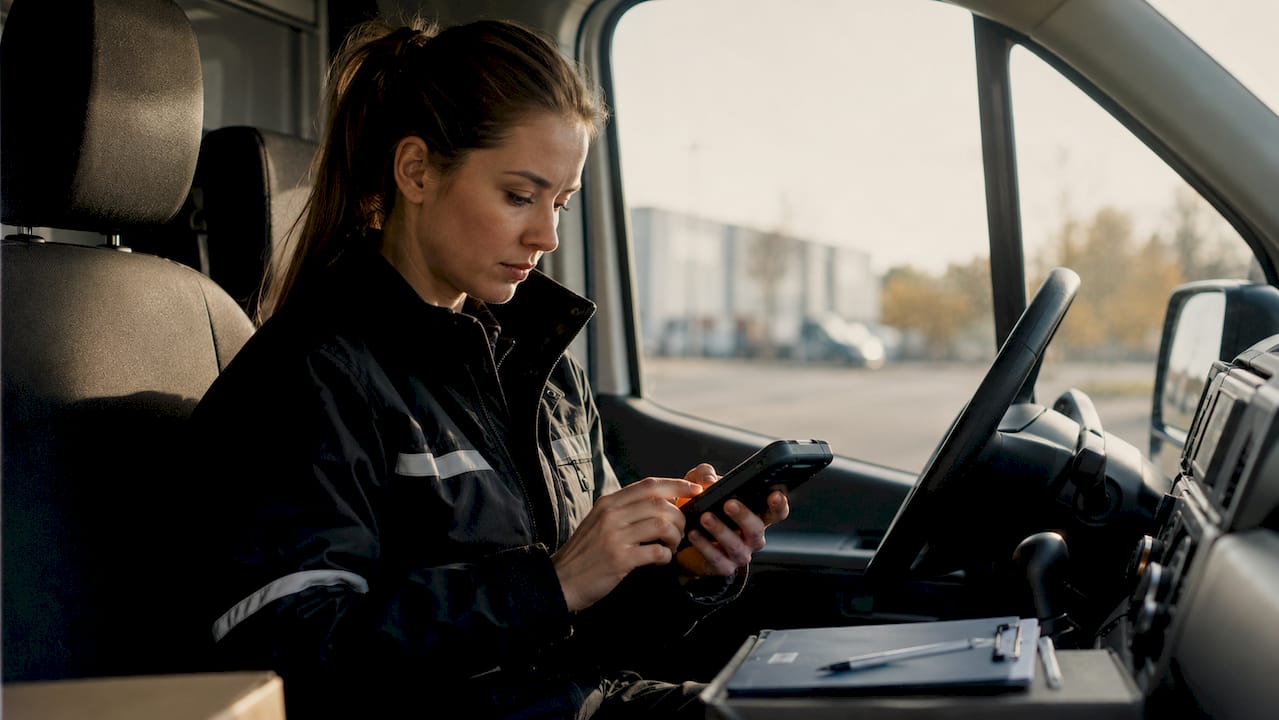
Notification channels are equally important. SMS alerts, email updates, and app push notifications each serve a different purpose. SMS reaches recipients who may not be near a computer. Email provides a written record. Push notifications work well for recipients who have a dedicated tracking app installed. Choosing the right mix depends on your recipients and the urgency of the shipment.
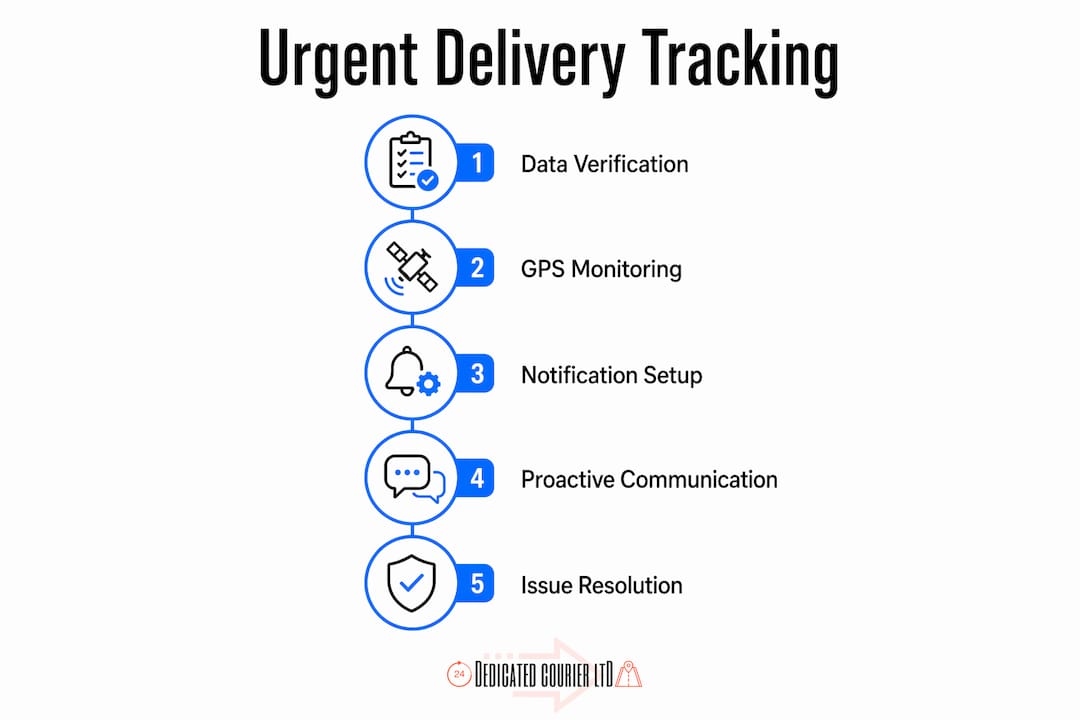
Carrier update frequency varies significantly and directly affects how reliable your tracking feels. Some carriers refresh location data every 15–20 minutes for priority shipments, while others update every 2–4 hours. For genuinely urgent parcels, a carrier with frequent updates gives you far more control.
Key technologies to look for in a tracking setup:
Live GPS monitoring for real-time vehicle location
API integrations that pull carrier data into a single dashboard
AI-driven predictive estimates that flag potential delays before they occur
Condition sensors for temperature, shock, and tilt on sensitive shipments
Automated notifications via SMS, email, or app for recipients and senders
Pro Tip: When selecting a tracking platform, check how frequently it polls carrier APIs. A platform that updates every 15 minutes gives you a meaningfully different picture than one that updates hourly, especially for same-day shipments.
How to set up an effective urgent delivery tracking system
Setting up a tracking system for express deliveries is a sequential process. Skipping steps early on creates gaps that only become visible when something goes wrong mid-transit.
Verify shipment details before dispatch. Confirm the recipient address, contact number, and any access requirements. Verifying shipping details before dispatch reduces the risk of missed delivery requirements significantly. An incorrect postcode on an urgent parcel can cost hours.
Assign the courier and route based on urgency. Not every courier vehicle suits every job. A dedicated vehicle, where your goods travel alone, removes the risk of delays caused by other stops. Dedicatedsamedaycourier operates on this model, using exclusive vehicles for each booking.
Install or activate your GPS tracking software. If you are using a courier service, confirm that live tracking is included and that you will receive a tracking link or reference number at the point of booking. For businesses managing their own fleet, GPS hardware must be fitted and tested before dispatch.
Configure your notification and alert settings. Set up alerts for departure, estimated arrival, and any exception events such as a delay or failed delivery attempt. Automated alerts remove the need to manually check delivery status every few minutes.
Establish an exception handling workflow. Decide in advance what happens if a delivery is delayed, if the recipient is unavailable, or if the address is incorrect. Automated workflows detect these issues and trigger resolution steps without requiring manual intervention each time.
Pro Tip: Build your exception workflow before the first shipment goes out, not after the first problem occurs. A pre-agreed process for failed deliveries saves significant time and prevents customer complaints from escalating.
For small businesses new to this process, the step-by-step same day delivery guide from Dedicatedsamedaycourier covers the full setup in practical terms.
What are best practices for monitoring urgent deliveries in transit?
Active monitoring during transit is what separates a well-managed urgent shipment from one that simply has a tracking number. Checking delivery status once at dispatch and once at arrival is not enough for time-critical goods.
Modern shipment monitoring captures condition data beyond location, including temperature, shock, vibration, tilt, and intrusion. For businesses sending pharmaceutical products, electronics, or high-value items, this data is as important as the GPS position. A parcel that arrives on time but damaged is still a failed delivery.
Logistics experts confirm that modern shipment monitoring must capture shipment condition, not just location, especially for sensitive or valuable freight.
Best practices for monitoring shipments in transit:
Check GPS updates at regular intervals, particularly during the final hour before the expected arrival window.
Maintain direct contact with the driver for genuinely urgent shipments. Live courier contact and real-time status updates improve delivery transparency and allow fast responses to unexpected issues.
Monitor condition data for sensitive goods using temperature and shock sensors where applicable. For guidance on protecting high-value items in transit, condition visibility is a recognised best practice.
Adjust routes based on live traffic or weather data. Dispatchers who adjust routes using live data reduce downtime and improve on-time delivery rates.
Coordinate with the receiving facility to confirm someone is available to accept the delivery within the expected window.
Proactive communication is the single most effective tool in managing urgent deliveries. Contacting the recipient 30 minutes before arrival reduces failed delivery attempts and removes the need for costly redelivery.
How to troubleshoot common issues with urgent shipments
Delays, incorrect addresses, and lost parcels are the three most common problems in urgently needed parcel tracking. Each has a clear resolution path when you have the right systems in place.
AI-based delivery predictions can foresee delays with 89% accuracy, allowing early intervention before a customer even notices a problem. That accuracy level means fewer reactive conversations and more time spent on the delivery itself.
Common issues and how to address them:
Delays caused by traffic or weather: Use live route adjustment tools to reroute the driver. Notify the recipient immediately with a revised estimated arrival time.
Incorrect address: Automated tracking workflows flag address anomalies at the point of data entry, not after the driver has already travelled to the wrong location.
Failed delivery attempt: Set up automated rebooking notifications so the recipient can confirm a new window without needing to call a customer service line.
Lost parcel: Cross-reference the last GPS checkpoint with carrier scan data. Most lost parcels are located at a depot or access point rather than genuinely missing.
Consistent data verification before dispatch removes the majority of these issues before they occur. For time-sensitive delivery tips specific to small businesses, Dedicatedsamedaycourier has published practical guidance on reducing delivery failures through better pre-dispatch processes.
Key takeaways
Effective urgent delivery tracking requires GPS monitoring, condition visibility, automated notifications, and a pre-built exception workflow working together from dispatch to receipt.
Point | Details |
Start with accurate data | Verify recipient address and contact details before dispatch to prevent avoidable failures. |
Choose frequent update carriers | Carriers updating every 15–20 minutes give far more control than those updating every 2–4 hours. |
Monitor condition, not just location | Temperature, shock, and vibration data matter as much as GPS position for sensitive goods. |
Build exception workflows in advance | Pre-agreed processes for delays and failed attempts reduce resolution time significantly. |
Use predictive analytics | AI-driven systems forecast delays with 89% accuracy, cutting customer service contacts. |
Why tracking has moved well beyond the tracking number
The tracking number was always a passive tool. You entered it, you got a status, and you waited. What I have seen shift significantly over the past few years is the expectation that tracking should be active, not passive. Customers no longer accept “your parcel is on its way” as sufficient information. They want a time window, a driver name, and ideally a live map.
What surprises most small business owners is how much of the customer service burden disappears when tracking is genuinely transparent. The 68% reduction in support enquiries that predictive tracking systems produce is not a marginal improvement. It is a structural change in how much time a business spends managing delivery anxiety versus actually running operations.
The shift I would encourage every business to make is from location tracking to condition tracking. Knowing where a parcel is matters. Knowing it has not been dropped, overheated, or left in direct sunlight matters more for certain goods. That level of visibility is no longer reserved for large logistics operations. It is available to any business willing to ask the right questions when booking a courier.
— andrew
Tracking urgent deliveries with Dedicatedsamedaycourier
Dedicatedsamedaycourier provides dedicated courier services across the UK, with each booking using an exclusive vehicle so your goods travel directly to the recipient without shared stops or depot delays.
[

Real-time tracking, direct driver contact, and proactive notifications are standard across Dedicatedsamedaycourier’s service. Whether you need a same-day courier service for documents or a larger vehicle for pallets, the platform operates 24/7 and covers the full UK. You can request a quote by phone, email, or online form. For businesses that need to specify vehicle size, the courier vehicle options page lists available choices from small vans to larger freight vehicles, each with full tracking included.
FAQ
What is urgent delivery tracking?
Urgent delivery tracking is the real-time monitoring of a time-sensitive shipment from collection to confirmed receipt, using GPS, carrier updates, and automated notifications to maintain visibility throughout transit.
How do I check the status of an urgent shipment?
Use the tracking reference provided at booking and enter it into the carrier’s tracking portal or app. For dedicated courier services, direct driver contact is often available for live updates.
How often do carriers update tracking information?
Update frequency varies by carrier. Some update every 15–20 minutes for priority shipments, while others refresh every 2–4 hours. For urgent deliveries, choose a carrier with the most frequent updates.
What should I do if my urgent parcel is delayed?
Check the last GPS checkpoint, contact the courier directly, and notify the recipient with a revised arrival estimate. Automated exception workflows handle rebooking and notifications without manual intervention.
Does condition monitoring matter for urgent deliveries?
Yes, particularly for fragile, perishable, or high-value goods. Condition monitoring tracks temperature, shock, and vibration alongside location, giving a complete picture of shipment integrity during transit.
Recommended


Comments