
Essential responsibilities of same day couriers explained
Updated: May 14
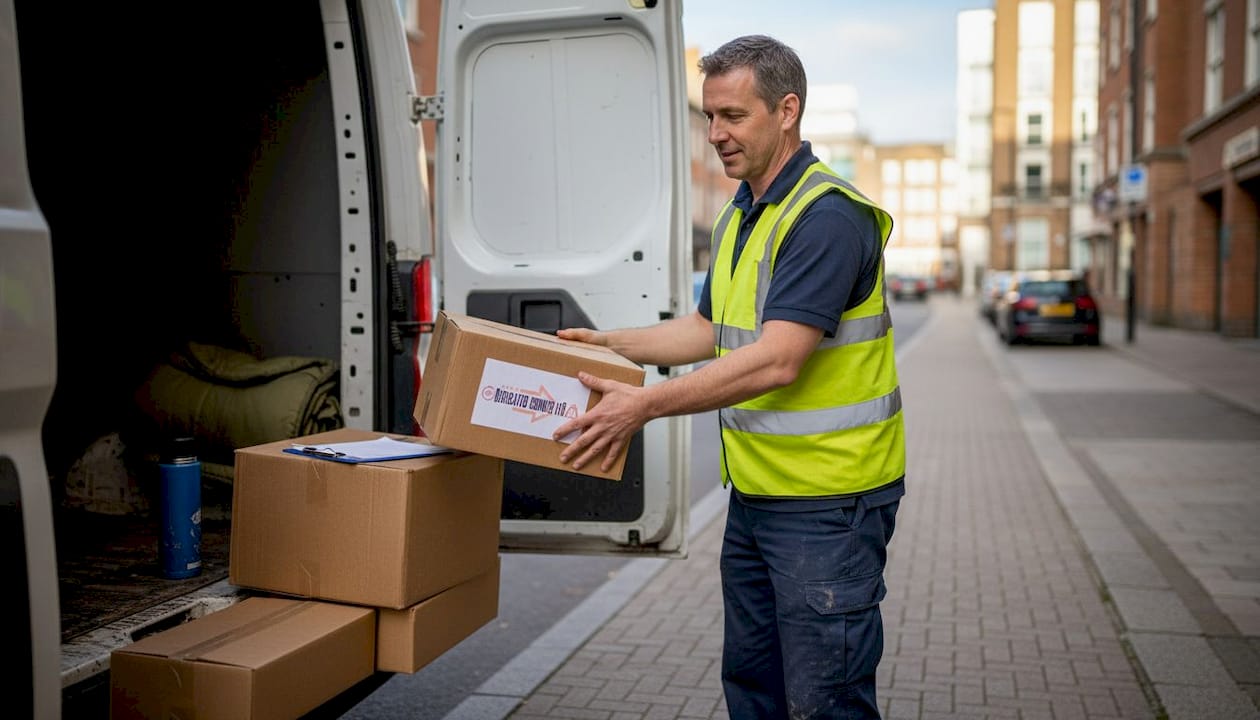
Reliable same day courier services involve vehicle checks, secure loading, route planning, safe driving, and accurate documentation.
Proper loading, safety protocols, and technology use are crucial to ensuring delivery security and efficiency.
Couriers’ responsibilities directly impact a business’s reputation through professionalism, communication, and precise proof of delivery.
Most businesses assume same day courier services are simply about getting a parcel from A to B as fast as possible. That assumption misses a great deal. Behind every successful urgent delivery is a structured set of responsibilities covering vehicle safety, secure loading, route planning, professional communication, and thorough documentation. Understanding what a top-tier same day courier actually does helps UK businesses make better choices about who they trust with their most time-sensitive consignments.
Table of Contents
Key Takeaways
Point | Details |
Safety is foundational | Every reliable same day courier starts with thorough vehicle and parcel safety checks. |
Technology drives efficiency | Route planning apps and GPS help couriers deliver faster and stay accountable. |
Clear documentation builds trust | Accurate proof of delivery and regular communication reassure businesses and recipients alike. |
Professionalism affects reputation | A courier’s approach directly impacts how clients view your business. |
What does a same day courier actually do?
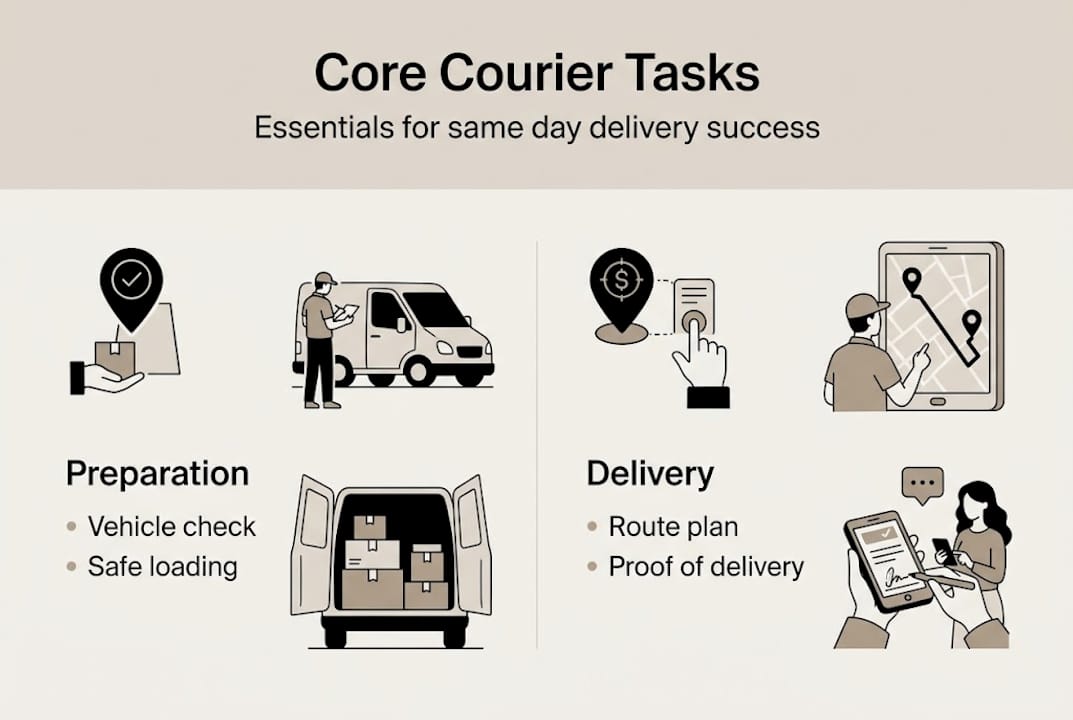
Now that you know why reliability goes beyond speed, it is time to explore what being a same day courier truly involves. The role is far more structured than most people realise. Core daily responsibilities include pre-shift vehicle checks covering fuel, tyres, and overall condition, secure loading of packages, route optimisation using GPS and apps, safe driving, customer interactions with proof of delivery, and end-of-day reporting of undeliverables or issues.
A courier’s working day typically follows a clear sequence. It begins with vehicle preparation, moves through collections and multi-stop deliveries, and ends with reporting back on any issues encountered. This structure keeps operations consistent and accountable, which matters enormously to businesses relying on same day services for documents, legal papers, medical supplies, or urgent stock.
Typical deliveries handled for UK businesses include:
Legal documents requiring signature confirmation
Medical samples or supplies needing careful handling
Retail stock for urgent replenishment
Fragile or high-value parcels requiring secure transit
Business correspondence with strict deadlines
For a broader look at how these duties fit into the wider process, the courier duties guide covers the full picture for businesses. You can also review courier safety steps to understand the standards involved.
Pro Tip: Couriers who complete a thorough pre-shift routine consistently deliver fewer damaged or delayed consignments. It is a simple habit that has a direct impact on reliability.
Vehicle checks and safe loading procedures
Understanding what is expected of couriers, it is vital to see how these responsibilities begin before any package leaves the depot. Pre-shift vehicle checks and secure loading are essential for safety and reliability, and skipping either step creates risk for the courier, the goods, and the business sending them.
A standard vehicle inspection before departure covers:
Tyre condition and pressure checked against legal minimums
Fuel level confirmed adequate for the planned route
Lights and indicators tested front and rear
Brakes checked for responsiveness
Relevant documents verified, including insurance and vehicle licence
Load security equipment such as straps and padding confirmed present
When loading parcels, professionals place heavier items at the base and lighter or fragile goods on top. Packages are secured to prevent movement during transit. Fragile items are padded and kept away from items that could shift. This is not guesswork; it follows established good practice for goods in transit.
A poorly loaded vehicle is one of the most common causes of parcel damage on same day runs. Taking five extra minutes to load correctly prevents hours of claims handling later.
Common loading errors include stacking items too high, failing to use load restraints, and mixing fragile goods with heavy packages without separation. Reviewing the safety checklist and following parcel loading tips helps couriers and businesses avoid these mistakes.
Pro Tip: Always photograph the loaded vehicle before departure. This creates a timestamped record that protects both the courier and the sending business in the event of a dispute.
Route optimisation and safe driving
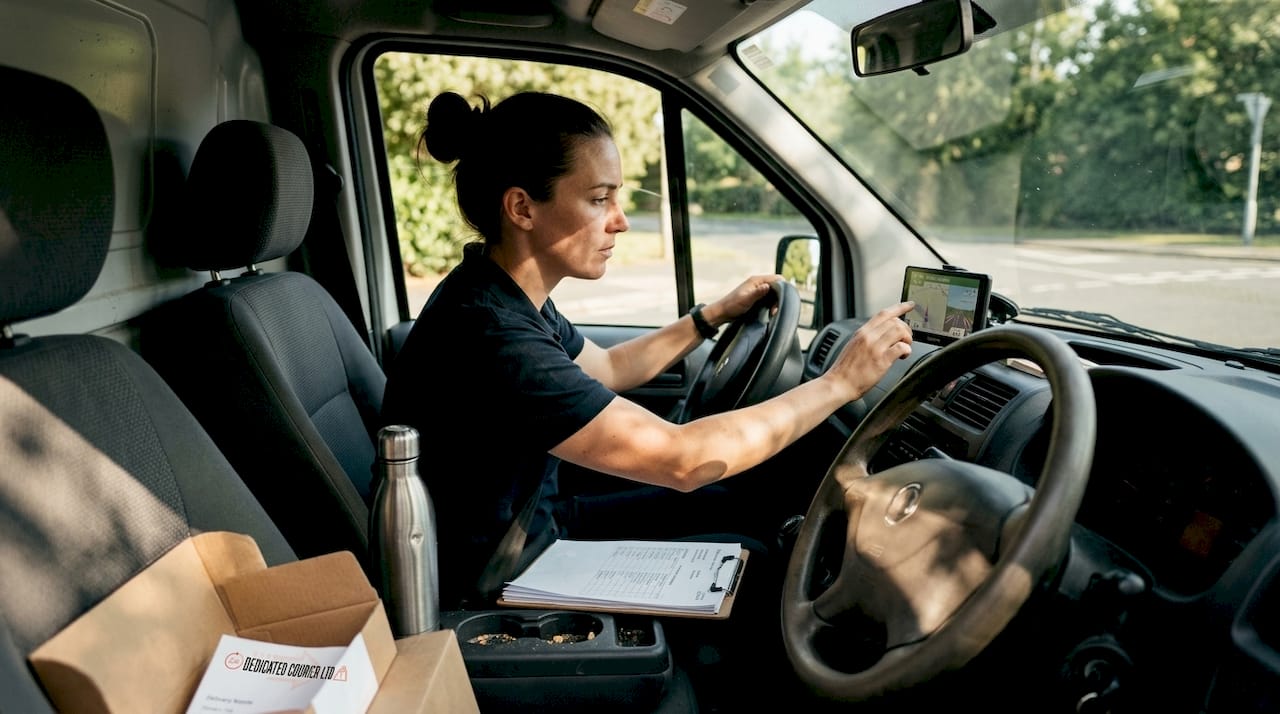
After every vehicle is prepared and parcels are loaded, the next responsibility is getting deliveries to their destinations efficiently and safely. Route optimisation using GPS and apps is a core responsibility for efficiency and reliability, particularly on multi-stop same day runs across UK cities or counties.
Feature | Standard GPS | Courier route software |
Live traffic updates | Yes | Yes, with delivery priority |
Multi-stop sequencing | Limited | Fully optimised |
Estimated delivery windows | Basic | Precise, customer-facing |
Driver hours compliance | No | Built-in alerts |
Proof of delivery integration | No | Integrated |
Courier-specific software does more than plot a path. It sequences stops to minimise backtracking, factors in traffic patterns, and alerts drivers to hours-of-service limits. This matters for UK businesses because a delayed delivery on a same day booking can have real operational consequences.
Safe driving habits that support punctuality include:
Observing all speed limits and road regulations
Avoiding mobile phone use while driving
Planning rest breaks on longer routes
Adjusting speed for weather and road conditions
Reporting vehicle issues immediately rather than pushing on
For more on how technology supports this process, the route planning apps article covers the tools in use today. The delivery benefits page also outlines what businesses gain from a well-managed same day operation.
Customer interaction, proof of delivery, and end-of-day reporting
Delivering parcels efficiently is only part of the picture; the final steps cement the business relationship. Customer interactions and proof of delivery, along with end-of-day reporting of undeliverables or issues, are key elements of a professional same day courier service.
When arriving at a business premises, couriers should:
Identify themselves clearly and state the sending company
Confirm the recipient’s name before handing over goods
Obtain a signature or digital confirmation as proof of delivery
Photograph the parcel at the point of handover where required
Note any discrepancies such as damaged packaging on arrival
Clear communication at the point of delivery is not a courtesy; it is a professional obligation that protects every party involved.
Proof of delivery should include the recipient’s name, time of delivery, location, and a signature or photographic record. This documentation supports proof of delivery standards that businesses depend on for accountability. For guidance on maintaining customer interaction standards and following proper security practices, these resources set out what to expect from a professional service.
End-of-day reporting covers any failed delivery attempts, items returned to depot, and notes on access issues or recipient unavailability. This information feeds directly back to the sending business, keeping everyone informed.
Why courier responsibilities shape your business reputation
Stepping back, it is vital to recognise that each task a courier carries out is not simply a box-ticking exercise. Every step reflects on the business that sent the delivery. When a courier arrives late, communicates poorly, or fails to obtain proper proof of delivery, the recipient does not blame the courier. They blame the sender.
Small lapses compound quickly. A missed signature, an unclear handover, or a damaged parcel due to poor loading can erode client trust that took years to build. Putting courier protocols in writing and choosing a service that follows them consistently delivers something more valuable than speed. It delivers confidence. Reviewing same day delivery expectations helps businesses set the right standards from the outset. The courier you choose is, in effect, an extension of your own professional standards.
Choose a trusted same day courier partner
If you want to guarantee this level of responsibility on every urgent delivery, it is time to partner wisely. Effective couriers underpin your business reliability, and every duty outlined in this article should be standard practice, not an optional extra.
[
At DedicatedSameDayCourier.co.uk, our same day courier service is built around dedicated vehicles, professional drivers, and full accountability from collection to delivery. Explore our courier vehicle options to find the right fit for your consignment, or get a courier delivery quote today and put your urgent deliveries in reliable hands.
Frequently asked questions
What are the core responsibilities of a same day courier?
Core daily responsibilities include pre-shift vehicle checks, secure loading of packages, route optimisation using GPS and apps, safe driving, customer interactions with proof of delivery, and end-of-day reporting. These duties together ensure consistent, accountable service.
How do same day couriers ensure parcel security?
They follow safety checklists and secure loading procedures and obtain proof of delivery at handover to protect each shipment throughout transit.
Why is proof of delivery important for businesses?
Proof of delivery confirms successful receipt and establishes accountability, with customer interactions and proof of delivery being critical for reliability and protecting both the sender and recipient in any dispute.
What technologies do same day couriers use to improve efficiency?
Couriers use GPS and route planning software and mobile proof of delivery apps to maximise speed, accuracy, and reliability across multi-stop same day runs.
Recommended


Comments